

 By
By 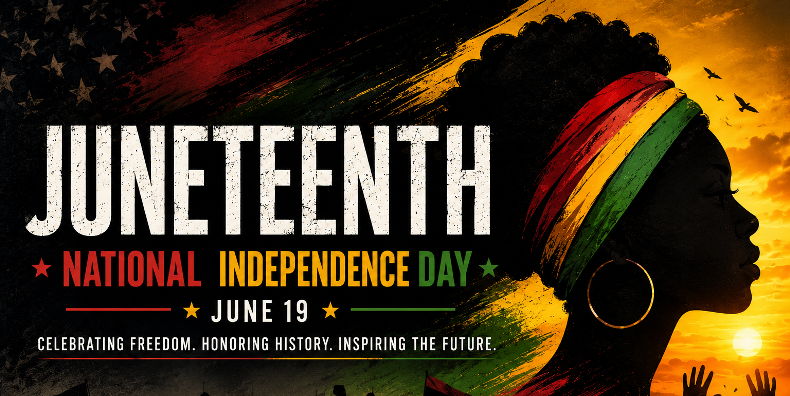
Juneteenth, also known as Juneteenth National Independence Day, is one of the most important milestones in American history. It commemorates the end of slavery in the United States and celebrates freedom, resilience, and African American culture.
What is Juneteenth?
Juneteenth is a federal holiday in the United States observed on June 19th every year. It marks the day in 1865 when enslaved African Americans in Texas were finally informed that they were free more than two years after the Emancipation Proclamation was signed.
The name “Juneteenth” comes from combining “June” and “nineteenth.”
The Historical Background of Juneteenth
Slavery in the United States
For centuries, slavery was deeply rooted in the United States economy and society, especially in southern states. Millions of African Americans were enslaved and forced into labor.
The Emancipation Proclamation (1863)
On January 1, 1863, President Abraham Lincoln issued the Emancipation Proclamation, declaring that all enslaved people in Confederate states were to be freed.
However, this proclamation could not be enforced in areas still under Confederate control.
June 19, 1865 – The Turning Point
On this day, Union General Gordon Granger arrived in Galveston, Texas, and announced:
“All slaves are free.”
This announcement came over two years after the Emancipation Proclamation, making Texas the last state to receive and enforce the news of emancipation.
This historic moment became the foundation of Juneteenth.
Early Celebrations of Juneteenth
The first Juneteenth celebrations began in 1866, just one year after freedom was announced in Texas.
Early traditions included:
- Prayer gatherings
- Community feasts and barbecues
- Educational events
- Music and storytelling
- Wearing special clothing to represent freedom
Over time, Juneteenth became a symbol of African American culture, identity, and unity.
The Growth of Juneteenth Awareness
For decades, Juneteenth was mainly celebrated within African American communities. However, awareness grew significantly during the Civil Rights Movement in the 1960s.
In the 20th and 21st centuries:
- More U.S. states began recognizing Juneteenth as a holiday
- Schools started teaching its historical importance
- Public events expanded across the country
Juneteenth Becomes a Federal Holiday
A major milestone came in 2021, when Juneteenth was officially declared a federal holiday in the United States.
This recognition made Juneteenth:
- A national day of remembrance
- A celebration of freedom and equality
- A reminder of America’s historical journey toward justice
Why Juneteenth Matters Today
Juneteenth is more than a historical event it represents ongoing values:
Freedom
A reminder of the long struggle to end slavery and achieve liberty.
Education
Encourages learning about African American history and systemic inequality.
Unity
Promotes cultural understanding and national unity.
Cultural Celebration
Highlights African American traditions, music, food, and art.
How Juneteenth is Celebrated Today
Modern Juneteenth celebrations include:
- Public festivals and parades
- Community cookouts and family gatherings
- Historical exhibitions and museum events
- Live music (jazz, gospel, hip-hop)
- Educational workshops and speeches
- Red-themed foods and drinks (symbolizing resilience)
Key Facts About Juneteenth
- Date: June 19
- First celebrated: 1866
- Federal holiday: Since 2021
- Also known as: Freedom Day, Emancipation Day, Black Independence Day
Interesting Insight
Juneteenth is often called America’s “second Independence Day”, because while July 4th (1776) marks independence from British rule, Juneteenth represents the real enforcement of freedom for all people in the United States.
Conclusion
Juneteenth stands as a powerful reminder of history, struggle, and progress. It honors the journey from slavery to freedom and continues to inspire conversations about equality, justice, and human rights.
For Festbyte readers, Juneteenth is not just a historical event it is a living symbol of freedom that continues to shape modern society.














Comments