

 By
By 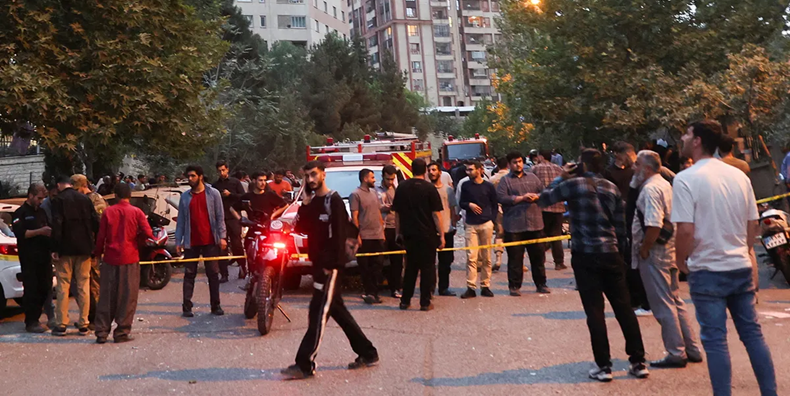
An elementary school located near Niloufar Square in Tehran has reportedly been hit during the latest wave of US and Israeli strikes on Iran, according to officials from Iran’s Ministry of Foreign Affairs.
Foreign ministry spokesperson Esmaeil Baghaei shared a video on social media platform X that allegedly shows Shahid Hamedani Elementary School before and after the reported strike. The video highlighted damage to the building, though authorities have not yet provided detailed information about the circumstances of the attack or the number of casualties.
Concerns Over Attacks on Educational Institutions
If confirmed, the incident would mark the fourth school reportedly struck in Iran since the conflict escalated. The targeting of educational institutions has raised serious concerns among international observers and human rights organizations.
Earlier in the week, a girls’ school in the southern city of Minab was also reportedly hit during the opening day of the strikes. According to experts from the United Nations, that attack resulted in the deaths of 160 children and five staff members, making it one of the most devastating incidents involving civilian casualties during the current escalation.
Dispute Over School’s Location
Some websites and social media accounts linked to Israeli sources claimed that the Minab school was located near or within an Islamic Revolutionary Guard Corps (IRGC) facility.
However, an independent investigation by Al Jazeera’s digital investigations team, based on satellite imagery spanning more than a decade, suggested that the school had remained clearly separate from any nearby military installation for at least ten years.
The analysis also questioned the accuracy of the intelligence that may have been used to justify the strike, raising concerns about whether the school may have been mistakenly targeted or misidentified.
US Military Investigating the Incident
Amid growing scrutiny, the United States military has acknowledged that it is examining the circumstances surrounding the reported strike.
According to Reuters, citing two US officials familiar with the investigation, preliminary assessments suggest that US forces may have been responsible for the incident. However, officials emphasized that no final determination has yet been made, and the inquiry is still ongoing.
UN Calls for Rapid and Transparent Investigation
The situation has prompted urgent calls from international organizations for a transparent investigation.
UN High Commissioner for Human Rights Volker Turk urged the United States to conduct a swift and impartial probe into the matter.
Speaking to reporters in Geneva, Turk stressed the importance of accountability, stating that victims and their families deserve answers and justice if wrongdoing is confirmed.
Human rights officials also emphasized that attacks on civilian infrastructure, particularly schools, carry serious legal consequences under international law.
Additional Strikes Reported Near Tehran
Iranian state media also reported that two more schools in the town of Parand, southwest of Tehran, were damaged in missile strikes on Thursday.
Images published by the Fars news agency appeared to show debris scattered across classrooms and structural damage within school buildings. Nearby residential areas were also reportedly affected during the attack.
Rising Civilian Casualties
As the conflict continues, the number of civilian casualties has steadily increased. According to UNICEF, more than 1,300 people have been killed in the strikes across Iran so far.
Among the victims are at least 181 children, highlighting the severe humanitarian impact of the ongoing hostilities.
International Law and Potential War Crimes
Under international humanitarian law, deliberately targeting schools or other civilian facilities is considered a war crime. Legal experts note that if investigations confirm that a school was intentionally targeted, the incident could become one of the most serious cases involving civilian casualties in recent conflicts in the Middle East.
For now, investigators and international organizations continue to gather evidence while calls for transparency and accountability grow louder.











Comments